When you visit a company like BYD, you expect technology. What you don’t expect is how calmly confident they are about it. Our five-day trip to China wasn’t a flashy PR exercise. It felt more like an invitation to witness a quiet revolution already well underway.
Our first stop was Shenzhen, BYD’s home base. Within the walls of their headquarters, we were given a rare look into the technology that powers their rapid rise. It wasn’t just show-and-tell. They made a point to prove things.
In one demonstration, a standard NCM electric vehicle battery was punctured, and it erupted into flames within seconds. Then, they punctured BYD’s now-famous Blade Battery. Nothing. No explosion, No spark. No smoke. It was almost silent, save for the collective oohs and ahhs of the audience


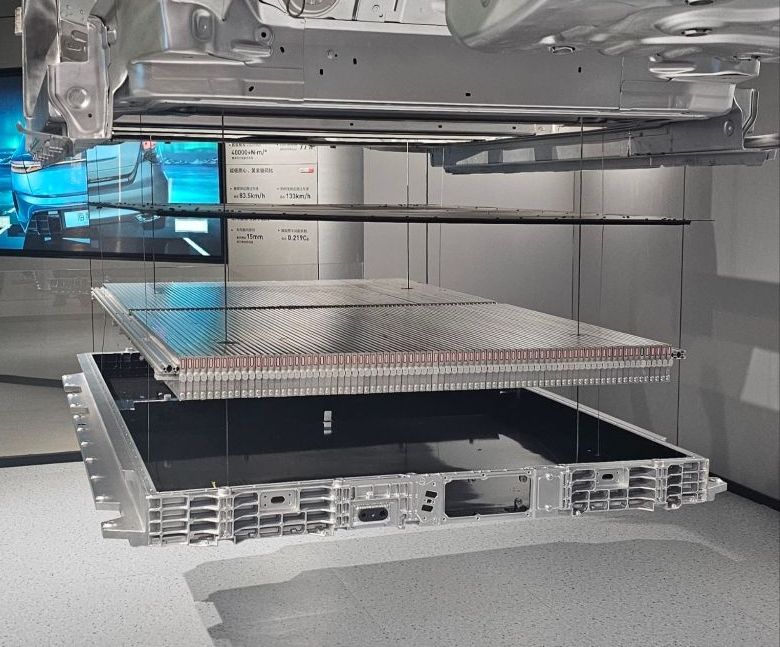
Beyond that, we were introduced to their different platforms, each built around modularity, efficiency, and safety. It’s one thing to read about these systems, it’s another to see the precision and confidence of the engineers explaining how every piece connects to a bigger goal: making EVs safer, more efficient, and more scalable.

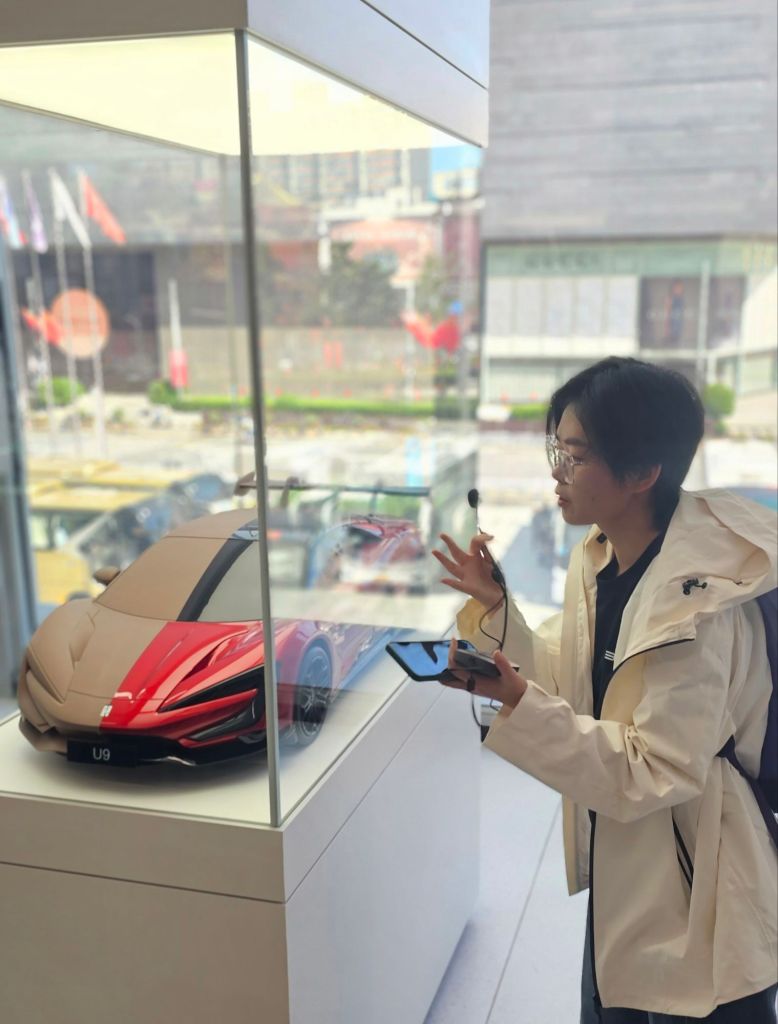
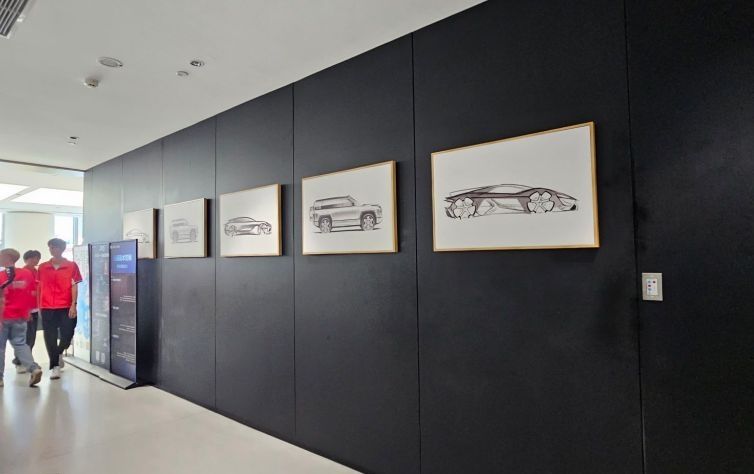
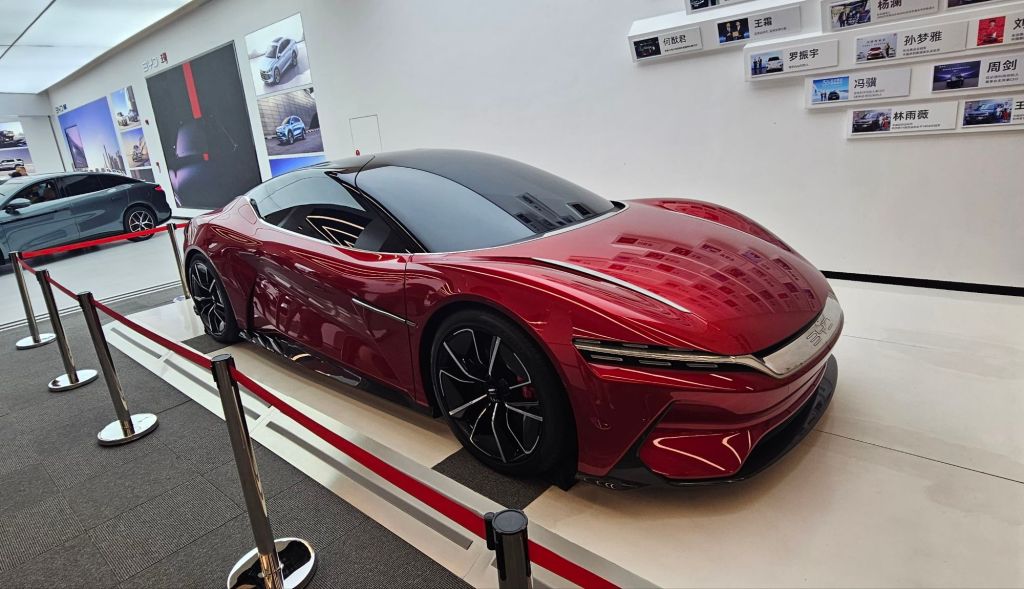
On Day 2, we flew to Zhangzhou to visit the BYD DiSpace, essentially their design and heritage center. Think of it as part museum, part think tank. There, we traced BYD’s journey from battery maker to one of the world’s largest EV manufacturers. Clay models lined the rooms. One wall was stacked floor-to-ceiling with hundreds of BYD patents and concept sketches. We also caught a rare glimpse into their R&D process, where design, aerodynamics, and energy efficiency intersect long before a single prototype hits the road.

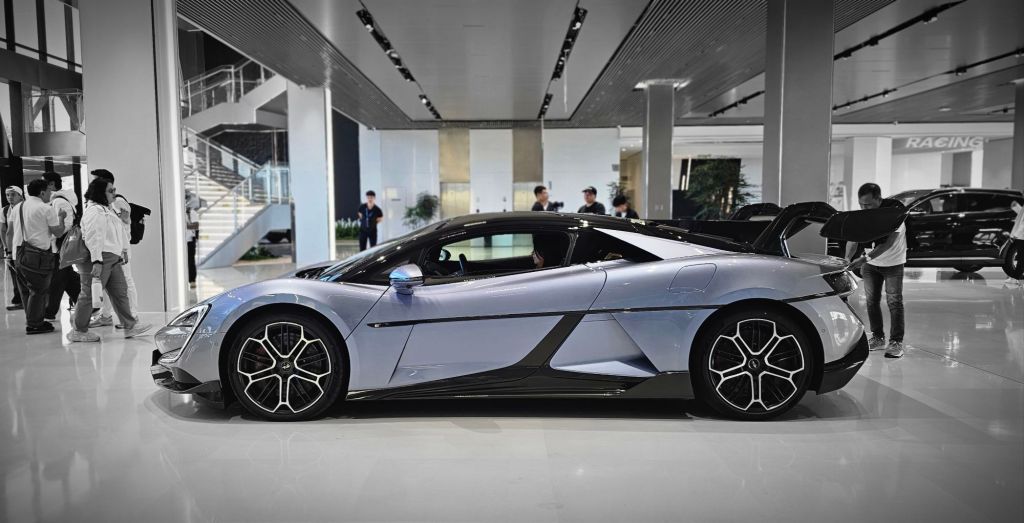
But the real highlight came on Day 3. We headed to BYD’s newly built test track. It was massive, modern, and clearly built for speed. It was here that I found myself strapped into the Yangwang U9, BYD’s halo supercar and currently the fastest production car in the world. I’ve driven and ridden in plenty of fast cars, but this one redefined what “fast” feels like. The acceleration was violent and instantaneous; every corner felt like a test of whether my lunch could stay loyal.. Had we gone one more lap, I’m fairly certain my breakfast would’ve stayed on the track.
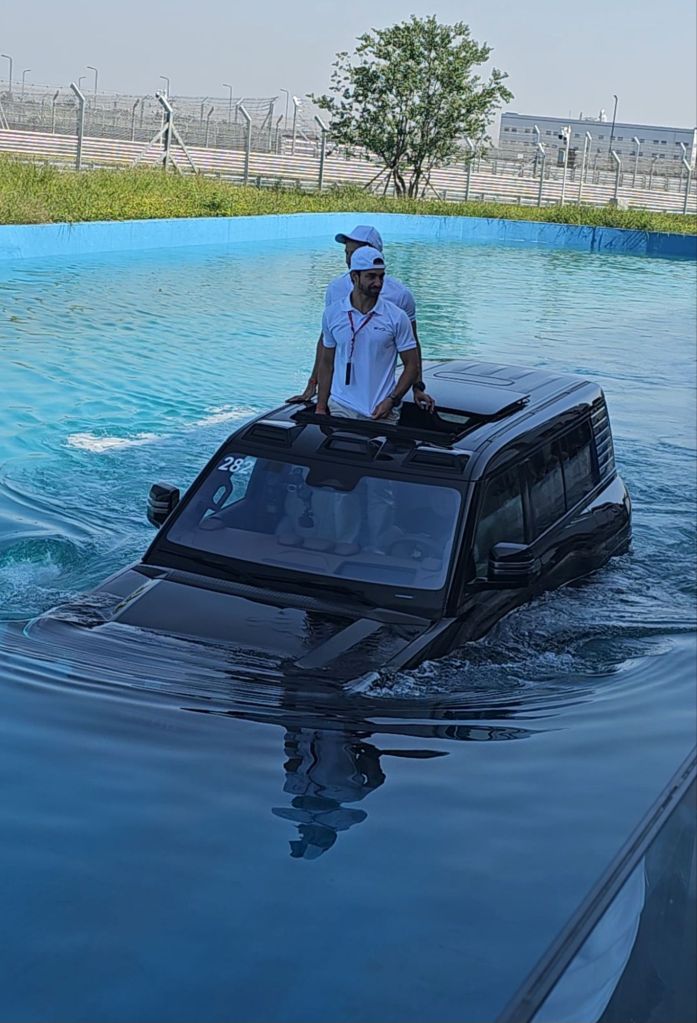

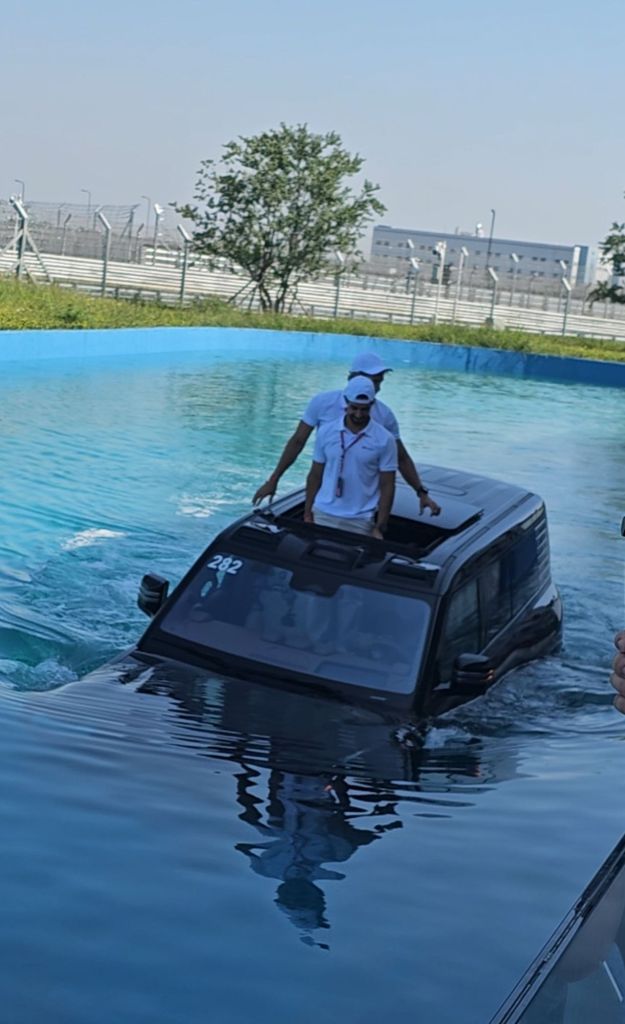
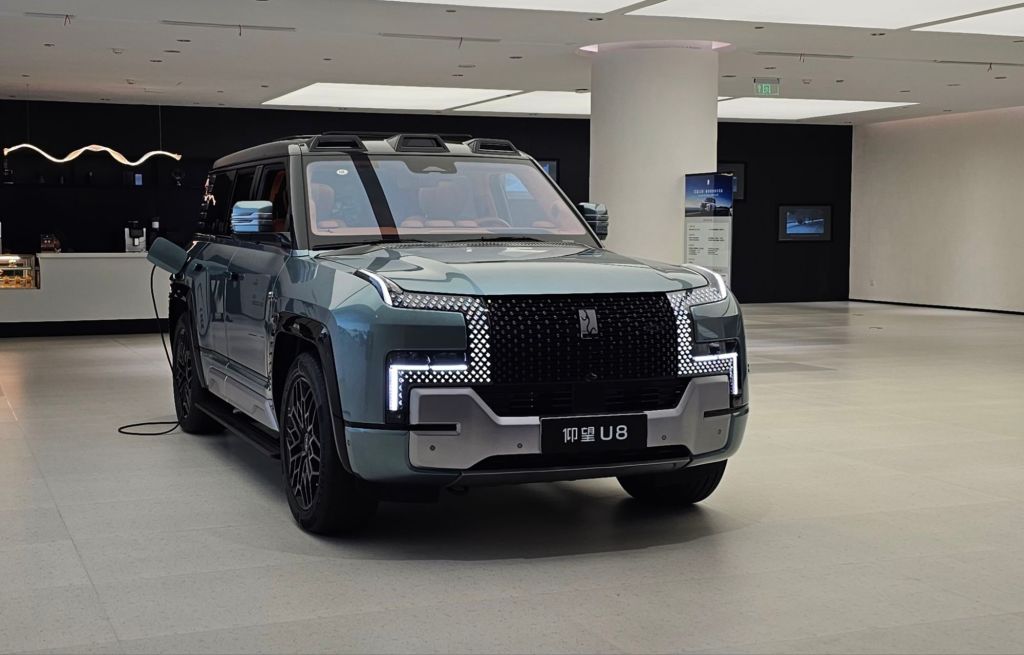
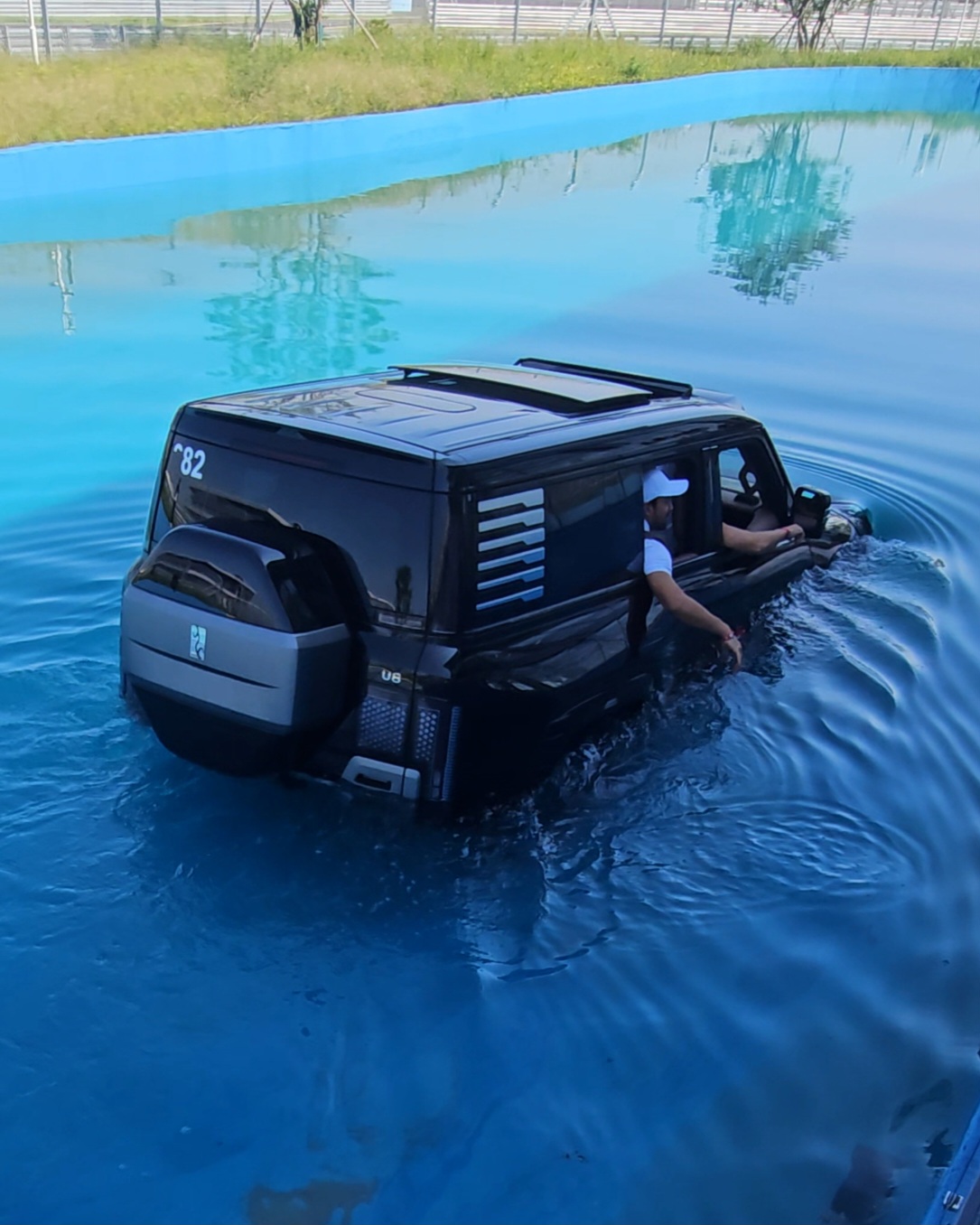
The spectacle didn’t end there. The Yangwang U8, the SUV capable of floating, demonstrated exactly that. Watching a full-sized luxury SUV drive into water and stay afloat was something that defied every conventional automotive instinct. We also got behind the wheel ourselves, piloting the Seal Performance around a smaller track. The car surprised us, not just with speed, but with balance, composure, and how refined it felt even under pressure.
The acceleration was downright addictive. I got a bit too giddy with the throttle and understeered once or twice -Glad those cones are mode of soft silicone. For a four-door premium sedan, the Seal put on a seriously impressive performance.

We also got to try drifting the Denza Z9GT, another one of BYD’s sub-brands. It’s nice to know that BYD still thinks of enthusiasts, equipping the car with a dedicated drift mode that shuts off traction control and sends power exclusively to the rear wheels. I thought it’d be easy, but trying to control almost 900 horsepower on a wet surface is completely different compared to sliding a regular car on dry tarmac. It requires a much finer application of throttle. But I eventually got the hang of it after embarrassingly spinning the car multiple times.
By the end of the trip, one thing became clear: what we saw in China wasn’t just a car brand trying to catch up with the rest of the world. It was a company that has already quietly overtaken many of them. BYD isn’t at the cutting edge of technology, they are the cutting edge.