
Among the electrified pickups displayed at the Philippine International Motor Show (PIMS) 2026, one of the most intriguing was the Nissan Navara Pro PHEV.
While Nissan is also expected to introduce another next-generation Navara, codenamed D27, for markets such as Australia, the Navara Pro PHEV shown at PIMS is a different vehicle altogether. This model is based on the Dongfeng Z9, developed through Nissan’s joint venture with Dongfeng in China.
The connection is immediately apparent. The headlights, side profile, and overall proportions closely resemble those of the Z9, with the most noticeable difference being the front-end treatment and Nissan branding. The result is a pickup that looks distinctly different from the current Navara while still retaining a recognizable Nissan identity.
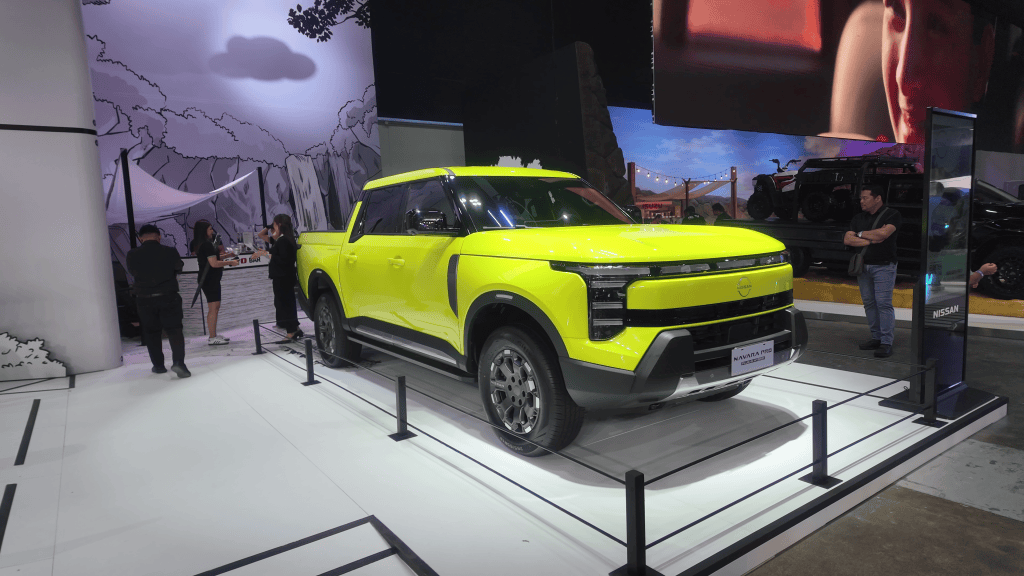
One thing that immediately stands out is its size. The Navara Pro PHEV is considerably larger than most diesel pickups currently sold in the Philippines. It measures 5,520 mm long, 1,960 mm wide, and 1,950 mm tall.
For comparison, the Ford Ranger, one of the largest pickups in the segment, measures around 5,370 mm in length and 1,918 mm in width. This gives the Navara Pro PHEV a noticeably larger footprint and stronger road presence.

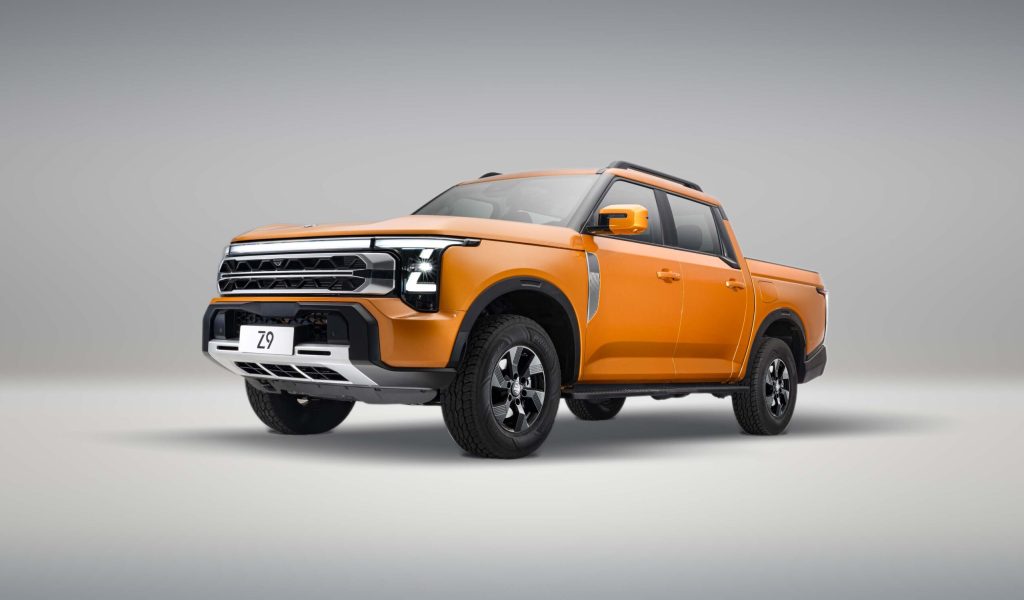
Styling is characterized by sharp lines, boxy proportions, and relatively clean surfaces. Unlike some pickups that lean heavily into aggressive off-road styling, the Navara Pro PHEV takes a more restrained approach. The front end is dominated by slim headlights and a relatively clean fascia, a design choice that reflects its electrified nature. While seeing a large pickup without a massive grille may take some getting used to, the overall look feels modern and distinctive.
Unlike the BYD Shark 6, there is no electric motor mounted at the rear axle. Instead, there’s a conventional rear differential housing, suggesting a more traditional four-wheel-drive arrangement.
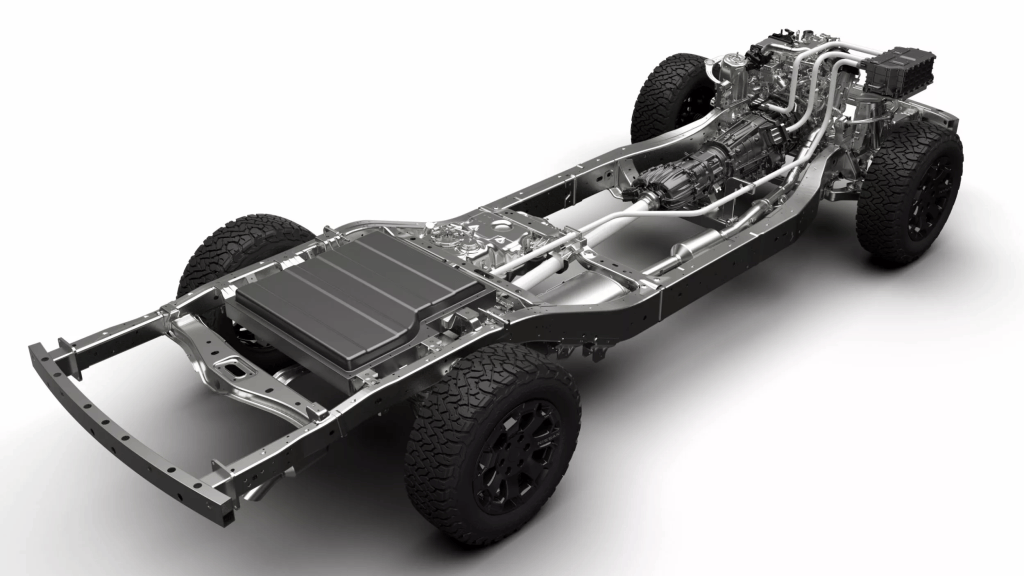
The electric motor is positioned toward the front of the vehicle, with a propeller shaft mechanically connecting the front and rear axles. If that proves to be the case, the Navara Pro PHEV would differ from PHEV pickups like the Shark 6 and the Changan Hunter where the front and rear axles are mechanically isolated form each other.

The battery pack is also not visible from beneath the vehicle as it is mounted above the rear suspension and below the cargo bed, This allows space for the drivetrain components like the propeller shaft and the longitudinally mounted engine and transmission
While Nissan Philippines has yet to release full specifications, the Navara Pro PHEV is expected to share much of its hardware with the Dongfeng Z9 PHEV. In that configuration, it uses a 32.85-kWh battery pack capable of delivering up to 135 kilometers of pure electric driving range under the Chinese CLTC testing cycle and over 1000km of total range.
Despite the electrified powertrain, the truck remains a traditional body-on-frame pickup, which should appeal to buyers looking for the durability, utility, and capability expected from the segment.
The interior of the display unit remained inaccessible during the show, but visible details and official renders suggest a significant step forward compared to conventional pickup cabins. Large digital displays, a modern dashboard design, and a more premium presentation indicate that Nissan is targeting buyers who want both utility and technology.


The biggest question surrounding the Navara Pro PHEV is pricing. If Nissan can position it close to rivals such as the BYD Shark 6, or even slightly above it, the pickup could become a compelling option for buyers looking to make the transition from diesel to electrified vehicles.
The Navara Pro PHEV is expected to launch in the Philippines within the year.
Below is our full walk-around video of the Navara Pro PHEV