Baoding, China’s weather was unforgiving, unapologetic, and well below zero. I thought of myself as a polar bear prior to this trip, but that confidence slowly eroded as I wore four layers of clothing and was still freezing underneath.
It felt like an appropriate starting point for a trip hosted by GWM, a brand that clearly takes pride in engineering vehicles meant to perform when conditions are far from ideal.
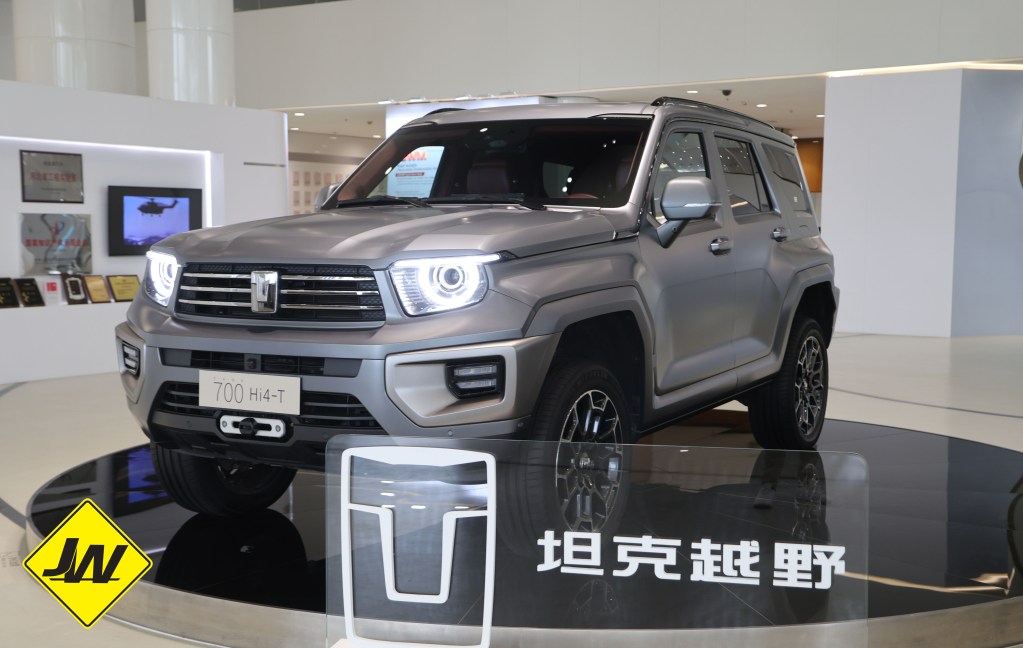
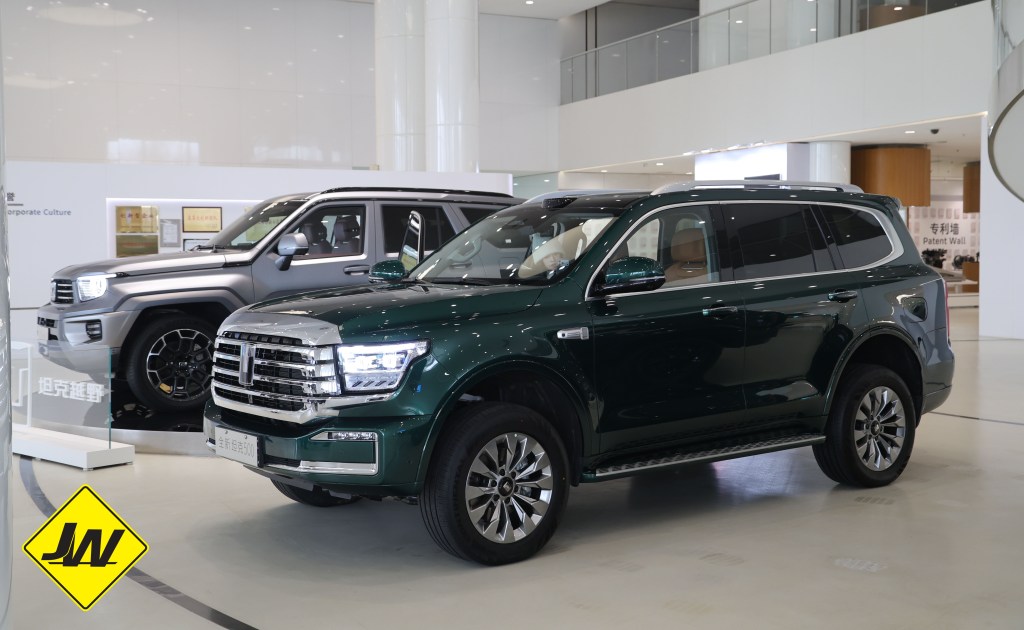
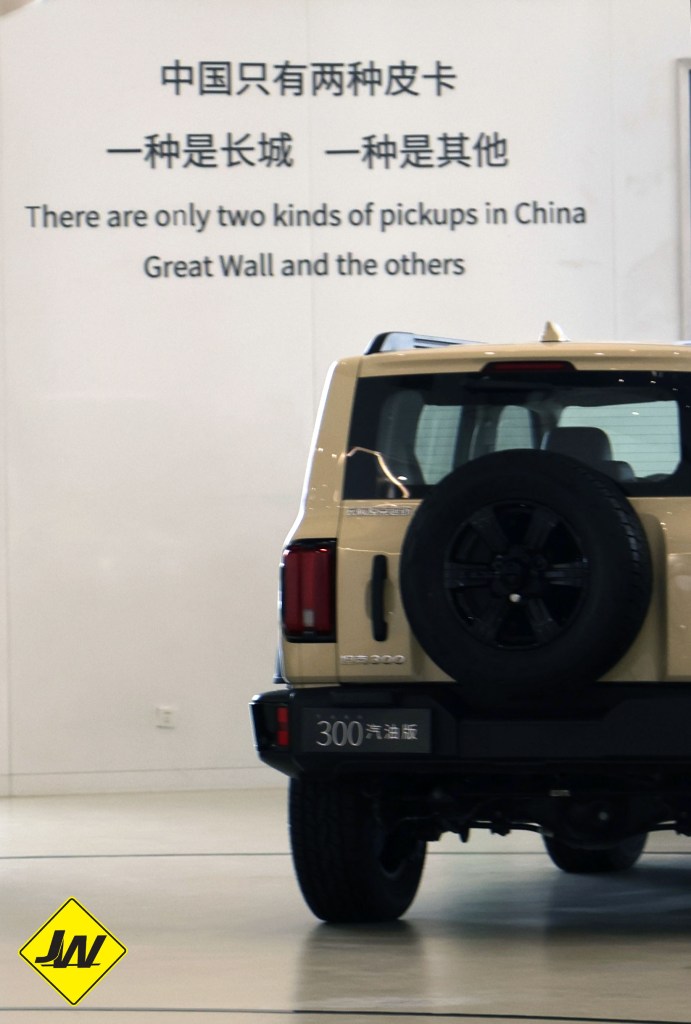
Unlike many Chinese brands that focus on crossovers and sedans, GWM is known for its rugged SUVs and pickup trucks. They’re so confident in that identity that there’s a sign inside their R&D facility that reads, “There are two kinds of trucks in China. GWM and others.”


During the trip, we got to see their current and upcoming models. Our focus though was on the H9 which was set to launch in the Philippines this February 4, 2026.
Day One: Inside GWM’s engineering backbone


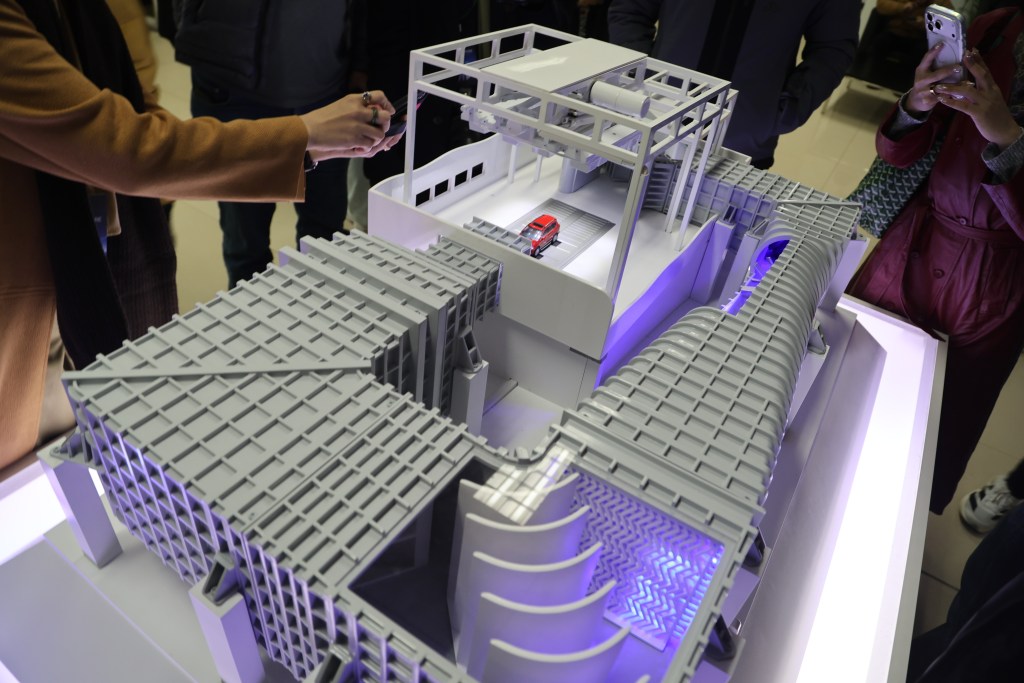
Our first day was spent at their 39,000 square meter, state of the art, research and development facility in Baoding. It houses a huge crash test facility, which GWM proudly noted is the second largest in Asia.
We also visited their NVH testing room, a massive soundproof chamber capable of housing multiple vehicles along with sophisticated testing equipment. Inside, GWM fine-tunes noise, vibration, and harshness, isolating even the smallest imperfections. It’s the kind of detail that most customers never see, but immediately feel once they’re behind the wheel.

Part of the visit included a look at their hydrogen fuel program, which is already further along than many would expect. GWM currently has trucks for sale that run on hydrogen, and during the tour they didn’t just talk about the technology. They showed us the engines themselves, along with the high-pressure hydrogen fuel tanks used in these vehicles. Seeing the hardware up close made it clear that this isn’t a concept or a future promise, but an active program already in operation.


The tour wrapped up at their enormous wind tunnel facility, capable of simulating various weather conditions. Wind, rain, and other environmental factors can all be simulated here, allowing engineers to test aerodynamics, stability, and efficiency long before a vehicle reaches production.
Day Two: Off-road, far from the city
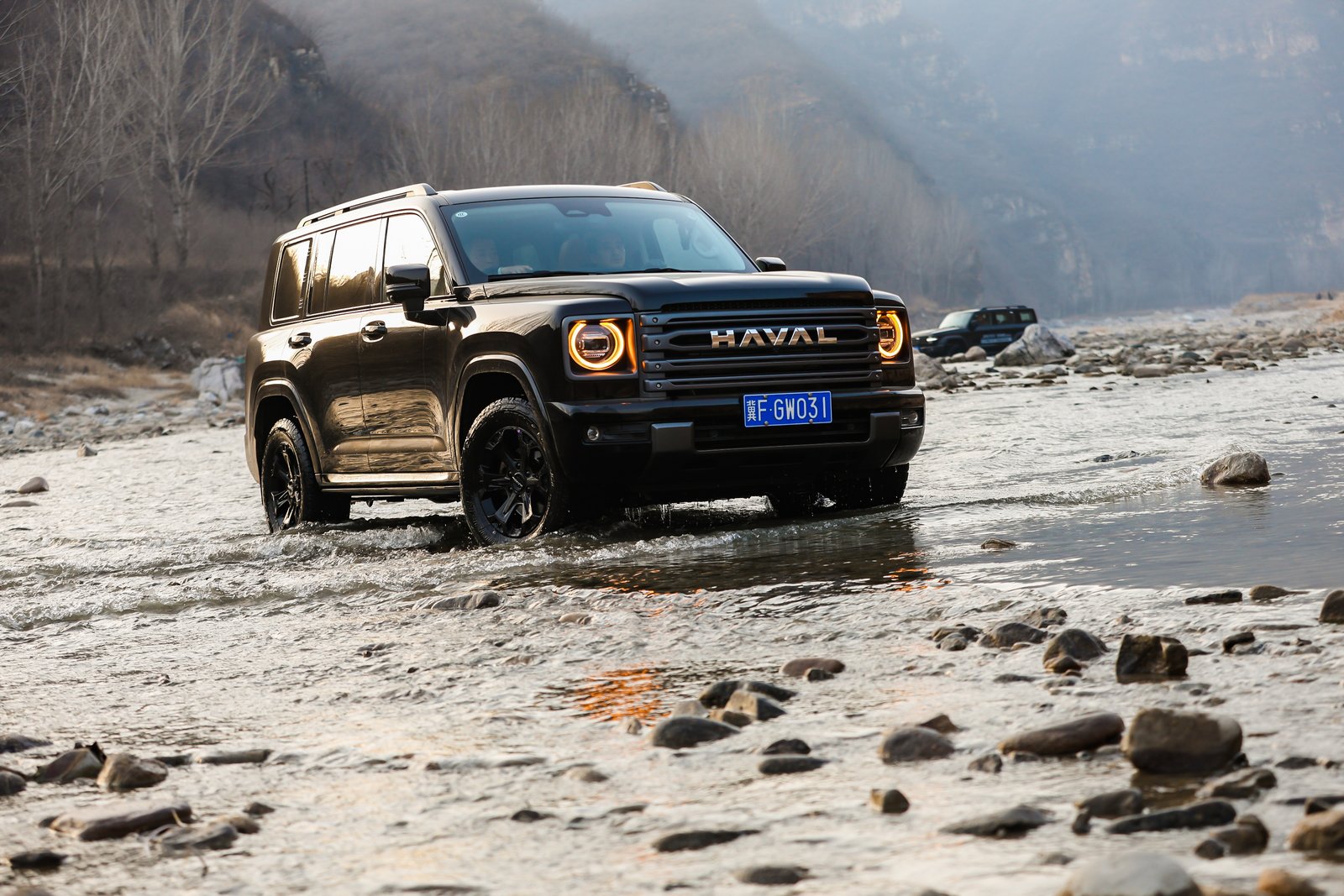
On the second day, we left the city behind and headed roughly an hour north of Baoding to a remote off-road testing area. The landscape felt almost Central Asian. Brown terrain, dried leaves, bald trees, and frozen rivers stretched across the horizon. Visually, it was quite entrancing, largely because it’s the kind of scenery you simply don’t see in the Philippines. More importantly, it offered plenty of challenging off-road trails for testing GWM’s SUVs and trucks.

The first vehicle I drove was the Tank 300, equipped with a diesel engine. This is different from the local version, which comes with a 2.0-liter gasoline engine. We weren’t given exact specifications, and it’s still unconfirmed whether this diesel variant will reach our market, but based on the way GWM positions its lineup, there’s a reasonable chance it could happen.


Eventually, I got behind the wheel of the H9. My expectations were modest, given its size and seven-seat layout, but the H9 surprised me almost immediately. It handled the trail far better than expected, nearly matching, and in some sections arguably outperforming, the more off-road-focused Tank 300. Its suspension was softer, allowing it to absorb surface undulations more effectively. Articulation was also very good, keeping the wheels planted on uneven terrain. More importantly, the chassis felt rigid throughout. There were no unsettling flexes or creaks, just a solid, composed feel from start to finish.
It didn’t feel like a family SUV pretending to be rugged. It felt like it was designed for the trail from the very beginning.
Why this trip felt different
What stood out most by the end of the trip wasn’t just the vehicles or the facilities, but how intentional everything felt. GWM made it clear that the Philippine market matters.
Unlike many overseas manufacturer trips where Philippine media are grouped together with delegations from dozens of other countries, this visit was exclusive. It was just us. Every briefing, every facility tour, every driving activity was set up specifically for the Philippine delegation.
That level of focus sends a strong message. GWM isn’t treating the Philippines as an afterthought or a secondary market. They’re investing time, resources, and attention, and trips like this show how serious they are about getting things right.
As the cold Baoding air followed us back to the airport, one thing was clear: this wasn’t just a showcase of new vehicles. It was a statement of intent.